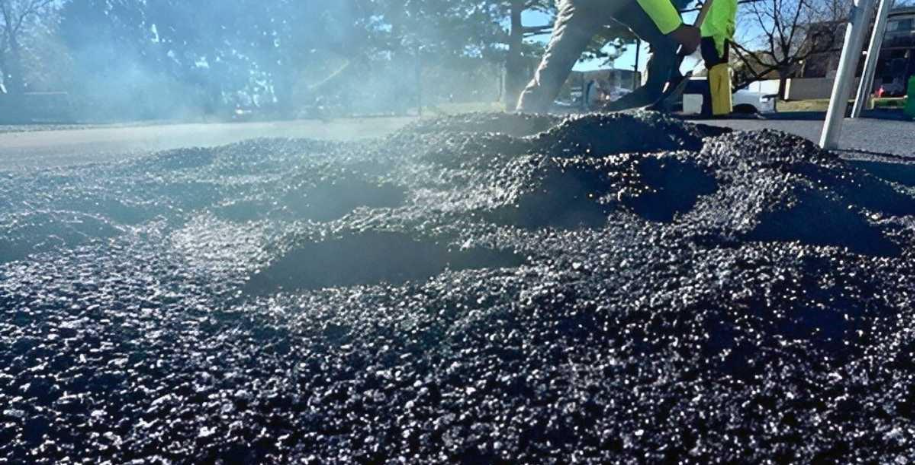
Asphalt is a flexible paving material made from a mixture of crushed stone, sand and gravel that is bound together with asphalt cement, which is a petroleum-based binder. It is widely used for commercial parking lots, driving lanes, and roadways.
Accessibility is one of the biggest reasons asphalt is so common. It is generally more cost-effective upfront, quicker to install, and easier to repair. Asphalt also handles temperature changes well, which makes it a popular choice in regions that experience freezing and thaw cycles (that’s Illinois to a T).
Visit our sister company site to learn more about Snow & Ice Removal services: https://www.triconsnow.com
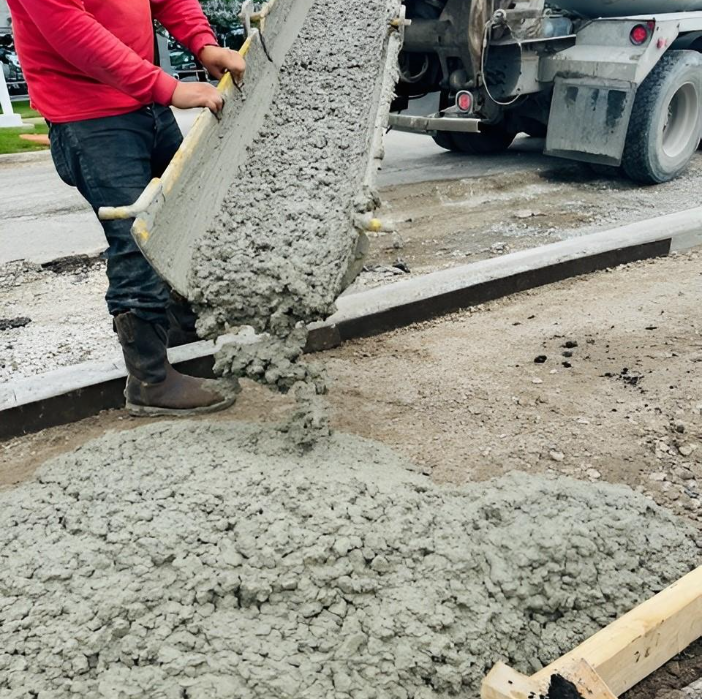
Concrete is made from cement, water, and various aggregates. Once poured and cured, it becomes a strong and durable pavement option. Concrete is often used in areas that experience heavy loads or frequent stress, such as loading zones, sidewalks, entrances, and high-traffic pedestrian areas. It typically lasts longer than asphalt and requires more upfront investment and longer installation time.
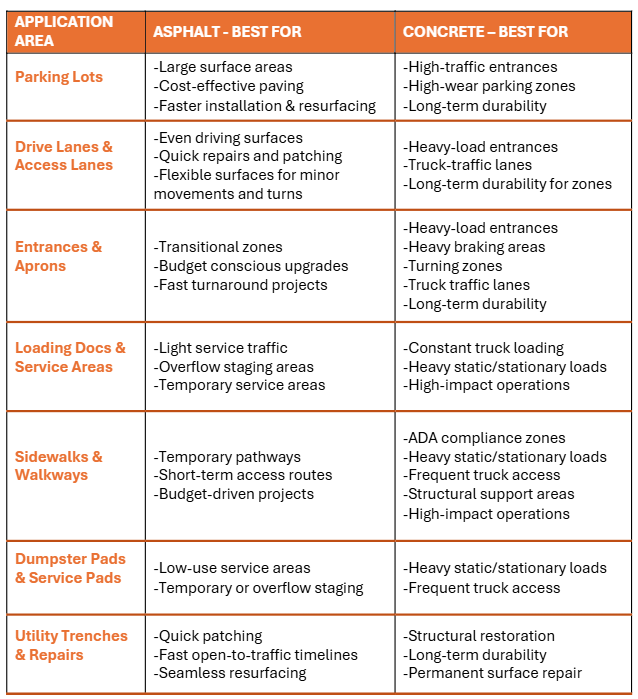
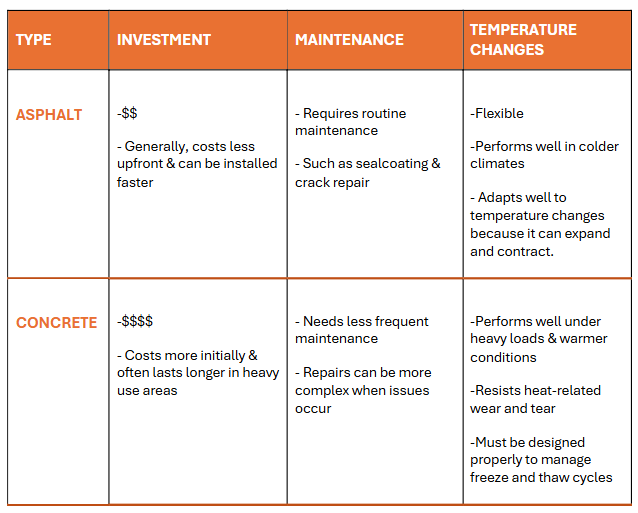
Choosing the right pavement material depends on traffic type, load, and intended lifespan. This grid shows where asphalt and concrete each excel, helping property managers make smart, site-specific decisions.
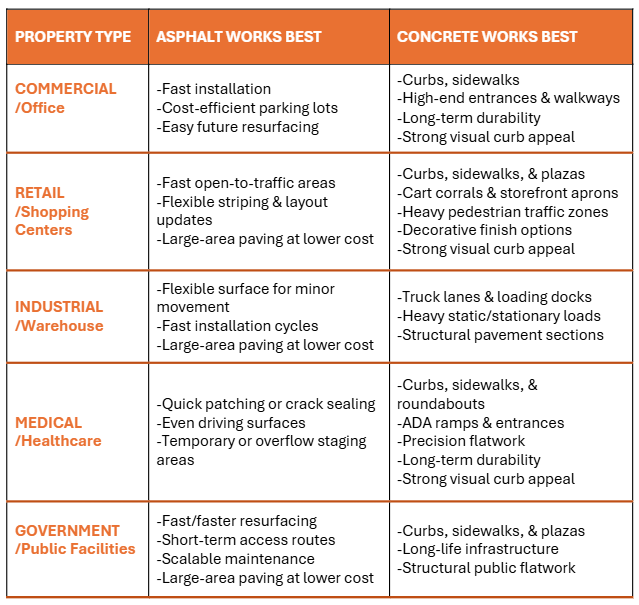
At Tricon, we exclusively service commercial, retail, industrial, medical, and government-type properties. Prior to providing a free quote, understanding how a site is used helps our teams determine where asphalt or concrete makes the most sense.
-
Asphalt offers speed and flexibility, making it ideal for projects that require quick installation or surfaces that may change over time.
- Concrete delivers long-lasting strength, and is built to handle heavy traffic, stationary loads and high-use areas for years.
- Different properties have different needs. Commercial, retail, industrial, medical, and government sites each require specific solutions for entrances, parking and service areas.
- Maintenance plays a key role in material choice. Asphalt is easier to patch or resurface quickly, whereas concrete provides durability and minimal upkeep over time.
- Consider loading weights. Areas with heavy or stationary equipment are better suited for concrete, whereas asphalt handles lighter or moving traffic effectively.
- Investing wisely upfront pays off, as choosing the right material from the start can reduce future repairs and extend the life of your pavement.
A Simple Comparison
Here’s a quick summary outlining the differences between asphalt and concrete.
For both materials, drainage is critical. Per our experts, standing water can shorten the life of asphalt and concrete alike, regardless of how well they are installed. Think of the pooling water around catch-basins after it rains; that is not fun to drive over!
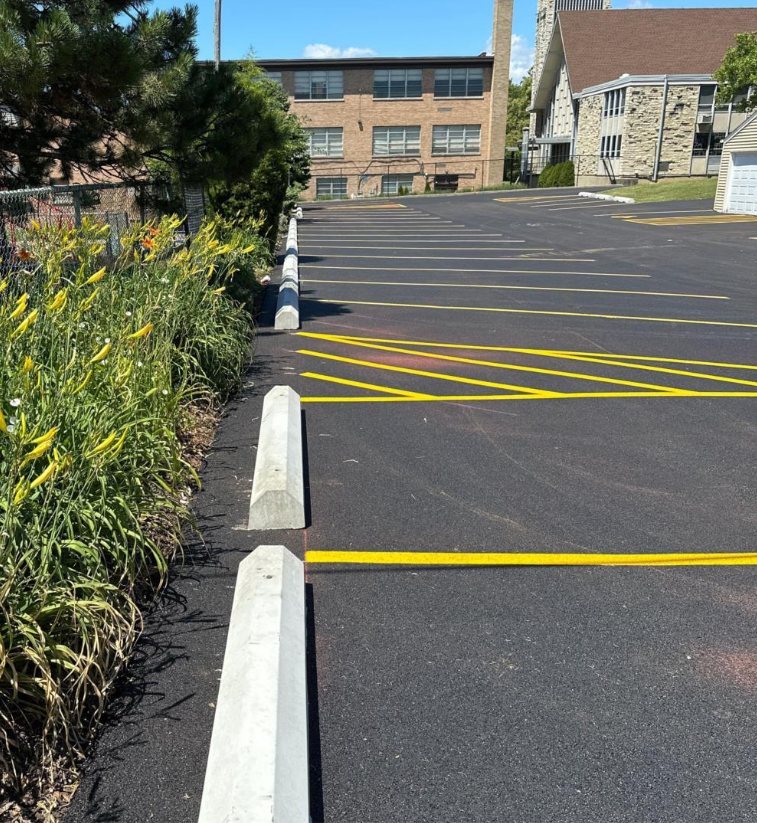
Choosing between asphalt and concrete can be simple. Both materials play an important role in commercial environments, and many properties benefit from using them together.
Every property is different. In addition to budgeting, surface selection needs to be evaluated based on site conditions, traffic patterns, climate, and long-term goals.
At Tricon, we work exclusively with commercial, retail, industrial, medical, and government properties. We help property owners and mangers evaluate their options and plan surfaces that support safety, durability, and long-term value.